
Home Blog Page 3

Epstein Links UK Royal Family: Gordon Brown Demands Police Interview

The public’s impression of any connections between the infamous US hedge fund entrepreneur Jeffrey Epstein and the former royal, Andrew Mountbatten Windsor, also known as royal Andrew, has been altered by former UK Prime Minister Gordon Brown. Mr Brown has openly called on British police to speak with Mountbatten-Windsor in order to continue their inquiries into the former royal and charges of having a bad image.

An issue concerning accountability, royal prerogative, and the rule of law in the UK has been rekindled by these occurrences, which rank among the most politically charged episodes in the most recent round of the Epstein case repercussions. The following is a concise and current synopsis of the developments.

Brown Calls for a Renewed Police Inquiry

An article by Gordon Brown, appearing in The New Statesman magazine, sees the former head of the U.K.’s government stating emphatically that the country needs to reassess the evidence from past inquiries regarding Epstein’s sex trafficking ring more seriously. He writes that “new evidence has emerged which suggests that at least one of the flights, of nearly 90 that went in and out of UK airports, involved people whose movements are suspicious and could, indeed, have been the subject of an investigation.” He further writes, “Andrew Mountbatten-Windsor, the man at the centre of this scandal, must be the subject of a full inquiry, and the police must be asked to interview him.”

Brown went on record saying that the past investigations did not adequately investigate the important evidence, like emails and flight plans, and that they had “little or no idea who was being trafficked through our country or where they were going.

What the Allegations Say

Files released by the U.S. Department of Justice, which contain documents pertaining to emails, travel details, and other types of paperwork from Epstein’s sex trafficking organisation, are the reason for the recent focus. Some critics contend that these records seem to suggest that influential people in other nations, like the UK, have links that were never thoroughly examined.

Citing these documents, Brown claims that several of the planes that landed in the UK contained women who claimed to have been used by the Epstein network, which “requires” them to speak with Mountbatten-Windsor.

Mountbatten-Windsor has denied allegations of misconduct in the past. In 2022, Mountbatten-Windsor settled a highly publicised lawsuit with one of Epstein’s accusers, Virginia Giuffre, without admitting guilt. However, his supporters also state that settling a lawsuit does not necessarily imply guilt.

Police and Prosecutors Respond

The British legal system is gradually addressing these charges. In light of evidence found in the Epstein Files, including claims that Mountbatten-Windsor shared documents with Epstein while serving as the UK trade envoy, the Thames Valley Police have acknowledged that they are investigating the allegations of possible misconduct in public office. To determine whether an investigation is necessary, discussions are currently being held with the CPS.

Even the Metropolitan Police, which handles national crimes, have entered the discussion, if only to determine whether past investigations provide enough detail on potential trafficking activity via the nation’s airports.

Royal Family Reaction

For example, because of the seriousness of the accusations, Buckingham Palace has made it clear that it will assist police investigations if they are formally requested to do so. According to reports, King Charles III expressed “profound concern” about the matter, emphasising that Mountbatten-Windsor, who is now a private man, must immediately answer any particular charges.

As the scandal develops, members of the royal family, including Prince William and Catherine, Princess of Wales, have joined in expressing sympathy for abuse victims.

Political and Legal Implications

In actuality, Brown’s appeal for public attention is a symptom of more serious problems with accountability and transparency. His detractors contend that elite power has a history of evading examination, particularly when accused transgressions involve high-ranking institutions or individuals.

Though the prosecution or non-prosecution of such claims depends on additional study of the matter, legal experts have said that revealing secret government information or failing to disclose vital information could theoretically be the basis for charges of misconduct.

What Comes Next

Rather than conducting a thorough criminal investigation, police are currently analysing the data while speaking with prosecutors. The success of the campaign to get Gordon Brown to give Andrew Mountbatten-Windsor an interview is uncertain. Nevertheless, Brown’s involvement raises awareness and puts more pressure on the government to investigate a possible scandal.

In handling one of the more persistent controversies surrounding Epstein’s global network and purported affiliations, we anticipate seeing how authorities strike a balance between the law, standards of proof, and public expectations as the case progresses.


Record Property Sale UK: Banker to Rebuild £15m Waterfront Mansion

An investment banker who purchased a record £15 million waterfront mansion in Dorset is demolishing the existing home and constructing an even larger custom home on the same site, marking an incredible reversal in Britain’s premium real estate market. Locals, luxury market watchers, and real estate lovers have all been titillated by the news.

A Record-Breaking Waterfront Purchase

Earlier this year, investment banker Michael Dennis, a partner and co-head of European credit at the global investment firm Ares Credit Group, spent £15 million on a stunning five-bedroom home in Poole Harbour’s upscale Pearce Avenue neighbourhood. This waterfront home, which was previously held by Louise McGlinn, the heiress to the Body Shop company, was sold for a record price.

With stunning views of the charming Poole Harbour and gardens that run all the way down to the water’s edge, the property also boasts direct access to the harbour. The previous regional record price of £13.5 million for a Sandbanks estate in 2023 was surpassed.

Plans for a New Luxury Residence

The Dennis family decided to get permission to demolish the mansion and build a brand-new, bigger home in spite of the mansion’s stunning architecture and unquestionably high sale price. The couple was able to proceed with their ambitious undertaking after the local planning department accepted their idea.

Key Features of the Proposed Build

A six-bedroom home with upscale amenities and living areas intended for contemporary luxury living is the goal of the new estate:

  • An indoor swimming pool, sauna, gym, and yoga room on the lower ground floor.
  • Expansive social spaces including a grand entrance hall, large kitchen, day room, and snug.
  • A top floor with six bedrooms, each with private balcony access.
  • Outdoor highlights include a sun terrace, a boathouse, a jetty, and a private slipway to the harbour.
  • A separate six-bedroom detached house on the former annexe site, also boasting premium facilities like a pool and gym.

When finished, the two houses are anticipated to be valued at approximately £25 million, which reflects the project’s size and custom nature.

Local Reaction and Planning Approval

The Pearce Avenue land was at the center of a contentious redevelopment proposal prior to the Dennis family purchasing it. Neighbours fiercely opposed the previous developer’s plan to replace the house on the property with three ultramodern homes, each valued at almost £9 million, as they believed it would detract from the neighbourhood’s unique character.

On the other hand, neighbors and the local council overwhelmingly supported Dennis’ planning application, praising the design and its harmony with the adjacent homes’ aesthetics. Described as “thoroughly and beautifully executed” and an improvement to the local streetscape, the revised designs were submitted to the Bournemouth, Christchurch, and Poole Council.

Furthermore, according to council reports, this new design preserves Pearce Avenue’s traditional architectural features and is anticipated to have a neutral or favorable visual impact from the harbor, which was deemed a crucial consideration considering the location’s status.

Significance in Britain’s Luxury Market

This renovation highlights a broader pattern in the UK’s very premium real estate market. For instance, high net worth individuals are willing to pay record amounts to acquire a home that fulfills their wants and goals. Even though there aren’t many properties outside of central London that cost more than £10 million, those looking for upscale living options continue to find places like Sandbanks and Poole Harbour appealing.

In the meantime, extremely valuable residences in the UK are still being sold for exorbitant prices. Consider areas like Mayfair and Belgravia in London, where multimillion-pound sales bolster their resilience despite economic challenges.

What This Means Going Forward

The reconstruction of the historic waterfront is probably going to set the standard for other upscale developments in the UK. The building of a mansion with the required modern amenities redefines luxury waterfront residences and highlights the significance of custom homes as a top choice for the UK’s most affluent citizens.

Neighbours and everyone interested in the local market will undoubtedly be anxious to see how this significant change will affect Poole Harbour’s already upscale living area as plans continue to develop and construction gets underway.

Blockchain Carbon Tracking: How It Transforms Supply Chain Transparency

Because trust, sustainability, and responsibility are so important in today’s society, both consumers and businesses seek them out. Uncertain data, non-electronic reporting, and conflicting information are major problems for current supply chains, particularly when it comes to the amount of carbon released from a product’s complete supply chain. However, the most complicated problem of the twenty-first century—the monitoring of carbon in supply chains—can be resolved with the use of blockchain technology.

What Is Blockchain Carbon Tracking?

It records carbon emissions data at each stage of the product’s life cycle using blockchain ledger technology. Once the emissions data has been submitted, blockchain does not allow for alteration, unlike spreadsheets and other siloed systems. Businesses, authorities, and even consumers may instantly confirm carbon footprints thanks to this protected and unchangeable record.

Consider it a shared digital notebook that can be viewed and trusted by all supply chain participants. A tamper-evident chain of truth is created by adding each entry as a “block,” chronologically tied to the one before it.

Why Supply Chain Transparency Matters Now

These days, supply chains are intricate and global; dozens of suppliers in many nations may support a single product. In particular, indirect emissions, which are covered under Scope 3, cannot be precisely recorded by such methods. Although the corporation has no direct influence over the emissions, they contribute to climate change.

When companies report incomplete or inconsistent carbon data, it raises the risk of:

  • Greenwashing — making misleading environmental claims
  • Regulatory penalties — for inaccurate reporting
  • Loss of stakeholder trust — from investors and customers

Blockchain addresses these issues by guaranteeing that all data is visible, verifiable, and historical, which lends credibility to sustainability claims.

How Blockchain Improves Emissions Tracking

1. Immutable Data Recording

Blockchain makes sure that no one can change the emission data once it has been recorded. It prohibits underreporting, manipulation, and unintentional mistakes. All participants—manufacturers, shipping companies, and suppliers—enter data that is accessible to authorised parties.

Both regulators looking critically at ESG reports and businesses looking to contribute to the achievement of global climate targets both depend on this confidence in data integrity.

2. Real-Time Monitoring and Updates

With blockchain, emissions are tracked continuously, not retrospectively. When integrated with IoT devices or sensors, blockchain platforms record data instantly, such as:

  • Fuel consumption during transport
  • Energy usage in factories
  • Emissions tied to refrigeration or other equipment

This real-time visibility allows companies to spot spikes or inefficiencies immediately, giving them more control to act fast.

3. Smart Contracts for Automation

Smart contracts — programmable agreements on the blockchain — automatically execute actions when certain conditions occur. For example:

  • If emissions exceed a predefined threshold, a smart contract could trigger notification alerts.
  • If suppliers meet sustainability targets, automatic rewards or incentives can be released.

These automated processes reduce human error and speed up compliance checks across complex supply chains.

4. Unified Source of Truth for Stakeholders

The same synchronised information on the emissions statistics will be available to all authenticated participants. The verified record pertaining to the emissions will be accessible to buyers, auditors, regulators, and even consumers.

Collaboration and responsibility are made easier by this common truth, which aids firms in gaining the trust of the greater business community.

Real-World Impact on Sustainability

Many forward-thinking companies already use blockchain to support sustainability and supply chain transparency:

  • Food Safety and Emissions Tracking: Blockchain platforms help trace agricultural products from farm to table, capturing emissions data and production conditions at each stage.
  • Ethical Sourcing: Manufacturers use blockchain to verify that raw materials meet environmental standards, enhancing transparency for consumers.
  • Carbon Accounting: Decentralised ledgers provide auditable emissions records aligned with global frameworks like the GHG Protocol and CSRD.

By adopting blockchain carbon tracking, brands can reduce their environmental impact and communicate their sustainability performance with confidence.

Benefits Beyond Emissions Reporting

Boosted Consumer Trust

Consumers today are concerned about the origins of items and their effects on the environment. Brands can demonstrate their sustainability promises thanks to blockchain’s transparent records, which foster trust and loyalty.

Faster Regulatory Compliance

Blockchain helps businesses comply with increasingly stringent climate reporting regulations. Automated reporting and immutable records minimise audit risks and save time.

Reduced Carbon Footprint

Organisations can find inefficiencies and emissions hotspots with the aid of blockchain data analytics. More sustainable decisions, including procuring from low-carbon suppliers or improving transportation routes, are frequently the result of improved visibility.

Challenges to Implementation

Though powerful, blockchain is not without hurdles:

  • Integration Complexity: Connecting blockchain with existing systems (ERP, IoT networks) takes effort and technical expertise.
  • Cost and Scalability: Handling large supply chain data on blockchain can be expensive and require scalable solutions.
  • Data Privacy: Key business data must stay confidential while ensuring transparency — a delicate balance.

Despite these challenges, continuous innovation and broader adoption promise that blockchain will play an increasingly central role in supply chain transparency.

A Clear Path to Trustworthy Supply Chains

By giving everyone access to accurate, uncorruptible, and transparent information on carbon emissions, blockchain carbon tracking is revolutionising supply chain transparency. In this instance, companies are urged to create green, reliable businesses in order to maintain sustainability and confidence.

The blockchain contains the resources that modern businesses require to thrive in a more transparent and environmentally friendly world, as the significance of sustainability shifts from a competitive advantage to a business necessity.

AI Regulation UK: Growing Calls for Ofcom to Investigate Fake News Risks

Debates about online safety, disinformation, and artificial intelligence are escalating quickly in the UK. Digital rights activists, researchers, and policymakers are urging Ofcom, the UK’s communications regulator, to do more to look into and control the dangers of AI-generated false news and other harmful information. As more AI tools, like deepfake tools and generative chatbots, are made available to the public, they spread false information that damages democratic processes, erodes public confidence, and warps political discourse. This article explains what is going on, why it matters, and how Ofcom’s regulatory structure may be altered in response to pressing issues.

Why AI and Fake News Are a Growing Concern in the UK

Smart technology, for example, makes it possible to produce texts, photos, and videos on a huge scale. Although these technologies have the potential to enhance search, automation, and creative content, their widespread use carries the risk of efficiently disseminating false information and deepfake content. It’s interesting to note that during the Southport stabbings, several experts found that AI technology helped spread misinformation that was used to split society, which sparks discussion about how to control it.

According to Ofcom research, four out of ten adults said they were exposed to deepfakes and false information most frequently in the UK. The majority of people, however, are unaware of whether content has been changed or when they have witnessed deepfakes.

Academics, civil society organisations, and lawmakers have all expressed concern about these tendencies, believing that the current legislative frameworks have not fully kept up with the scope and complexity of the problem of misinformation related to artificial intelligence. For example, it has been argued that while the Online Safety Act gives Ofcom a number of additional powers to enforce online safety regulations, the framework does not yet address the problem of artificial intelligence (AI) in the content creation process, at least not when it comes to recently developing circumstances like crises or political disinformation.

What is Ofcom’s Current Role Is Under UK Law

In the UK, Ofcom is the primary authority for online safety. Under the Online Safety Act 2023, it is in charge of monitoring how major online platforms handle dangerous information and making sure that online safety regulations—which mandate that businesses protect their customers from harmful and unlawful content—are followed.

The regulator has the authority to issue hefty financial penalties. Businesses that have violated their responsibilities of care may be fined up to 10% of their worldwide total income, or £18 million. Companies that continuously fail to protect their users may be subject to action by the regulator, which also has the authority to mandate transparency reports.

However, contemporary generative AI was not necessarily taken into consideration when the Act was drafted. Accordingly, while Ofcom has the authority to regulate unethical AI-generated content, the Act may not apply to other problems, such as AI chatbots or generative AI that do not necessarily fall under the purview of “user-generated content.”

Why Experts Are Urging Ofcom to Do More

1. AI Misinformation After Major Incidents

After the murders in Southport, researchers at the Alan Turing Institute found that AI was used to disseminate false information. As a result, false information regarding the suspect’s identity spread, and even rehashed tales were given credibility. Ofcom, the UK’s media regulator, was urged to investigate the problem of artificial intelligence and devise solutions for the growing mess caused by this technology.

Experts say it’s critical that AI be used in conjunction with integrated warnings about its limitations in fact-checking, particularly in dynamic scenarios. It is also recommended that the UK create crisis management plans to deal with “AI-related information threats.

2. Deepfakes and Harmful AI Content

Deepfakes—fake pictures and movies that imitate reality using artificial intelligence—have proliferated globally. They could lead to fraud, harm one’s reputation, and more. Recently, the UK government revealed plans to work with Microsoft and other companies to develop a false detecting tool. This is because the manipulation activity is occurring at an alarming rate.

In order to combat deceptive content on the internet, for example, “discussion papers on ‘deepfake defences,'” which covered potential remedies such as watermarking, provenance metadata, and artificial intelligence labelling.

3. Public Struggle to Spot AI Content

According to surveys, adults in the UK have low levels of trust, particularly when it comes to recognising content created by artificial intelligence. Only one in three people in the UK are confidence in their ability to determine whether a picture, video, or audio piece was created by artificial intelligence (AI), despite the fact that many adults frequently encounter misleading media content.

Because of this ambiguity, there is a concerning possibility that false information, particularly deepfakes and AI-generated content, might significantly impact election news, exacerbate social tensions, or erode trust in conventional sources.

Ofcom’s Evolving Approach to AI Risks

Ofcom is actively thinking about how, in the framework of its responsibilities regarding internet safety, it might reduce the hazards associated with generative AI. It has requested strict moderation and reporting procedures in open letters to service providers over the Online Safety Act’s application to “AI chatbots and generative systems.”

Ongoing research into tools, such as AI labels and context annotations, that could aid users and platforms in more accurately identifying deepfakes is another aspect of the regulator’s work.

Despite this, detractors contend that more has to be done to address AI-driven disinformation in a comprehensive manner, especially when misleading information travels quickly and shapes public opinion or behaviour.

Balancing Regulation and Innovation

Experts have emphasised the need to avoid restrictive measures that could impede technological innovation, even though regulation may need to be even stricter. However, the benefits of generative AI in fostering research, innovation, and economic stimulation only grow. The greatest challenge facing Ofcom and UK media authorities is striking a balance between the need for innovation and population hazards.

The manner in which the concept of risk in AI keeps developing and finding a place in legal frameworks without unnecessarily impeding the legitimate use of AI raises a number of policy concerns.

The Road Ahead for AI Regulation in the UK

The impact of AI on reducing new hazards associated with the shift has been one of the most noticeable developments in content creation and distribution. Experts are now urging Ofcom and the UK government to strengthen restrictions as deepfake content and disinformation continue to develop.

The urge to strengthen the regulation of AI may continue to grow in 2026 and beyond, given the fact that millions of adults in the UK are frequently exposed to misleading or artificial intelligence-generated content, with natural disasters highlighting the potential for harm. Making sure that this oversight is dynamic enough to keep up with the rate of innovation is essential to achieving this.

Best AI-Powered RegTech Solutions for Financial Services in 2026

Financial organisations are always under pressure to efficiently and reliably comply with ever-increasing rules. RegTech, or artificial intelligence-powered regulatory technology, has transformed from a specialised technology to a crucial technological layer in 2026 with the goal of helping banks, fintech companies, and even insurance companies combat financial crime.

The essay aims to educate readers about the leading technologies in the industry, how AI-based RegTech operates, and the reasons why financial services firms are depending on intelligent technology to regulate themselves.

The Rise of AI-Powered RegTech in Financial Services

Technology platforms that automate and improve regulatory monitoring and reporting, as well as compliance within a financial institution, are referred to as RegTech. Big data analytics technology is the foundation of the platforms.

Because artificial intelligence can identify patterns in a variety of datasets, automatically monitor for regulatory changes, and identify anomalous patterns linked to fraud or infractions, it significantly expands and deepens RegTech’s capabilities.

Meanwhile, demand continues to rise at an accelerated rate. According to industry projections, billions of dollars will be allocated to the growth of the RegTech business over the next several years if financial institutions maintain their focus on automated financial-crime detection and real-time compliance tracking.

Because old manual methods can demand a great deal of legal review and lengthy updates, financial institutions also embrace RegTech. Contemporary technologies significantly improve compliance rates, automate the categorisation of regulatory changes, and interface directly with governance and risk systems.

Why Financial Institutions Are Investing in AI-Driven Compliance

RegTech solutions driven by AI are becoming more and more important to banks and fintech companies as they look to stay competitive in a highly regulated digital economy. By automating repetitive tasks like transactional monitoring, reporting, and document verification, artificial intelligence (AI) helps banks reduce their operating expenses.

AI-powered solutions also help to increase the detecting system’s accuracy. By examining behavioural patterns in emails, transactions, and consumers, machine learning skills can identify unusual conduct.

Artificial intelligence (AI) platforms can be helpful in tracking financial transactions and assisting in the identification of regulatory gaps in cybersecurity, anti-money laundering, and international financial transactions.

Nevertheless, despite these advantages, the adoption process requires proper governance. A further issue with AI is that certain firms, particularly in the financial sector, are still wary about the personnel, the legal environment, and the model’s dependability.

Leading AI-Powered RegTech Solutions Transforming the Industry

Several innovative RegTech providers now offer advanced AI-driven compliance capabilities tailored to financial services.

ComplyAdvantage uses machine learning and data analytics to deliver real-time financial-crime risk assessments, helping institutions identify suspicious transactions more accurately.

Lucinity combines behavioural analytics and machine learning to automate AML investigations. Its platform reduces false-positive alerts and streamlines case management, allowing compliance teams to focus on high-risk activity.

Dotfile applies AI to Know-Your-Business (KYB) verification and anti-money-laundering controls, enabling organisations to improve onboarding efficiency and compliance effectiveness.

Arva AI offers AI-powered verification and financial-crime prevention services that automate business identity checks and compliance workflows for banks and fintech firms.

These solutions show how intelligent automation lowers operational load across financial institutions, speeds up regulatory reporting, and increases accuracy.

Adoption in 2026

Several mission-critical tasks are now supported by AI-powered RegTech solutions:

  • Anti-Money Laundering (AML) Monitoring: AI detects suspicious patterns across transactions and flags high-risk behaviour earlier.
  • Regulatory Change Management: Automated systems capture and map new regulatory requirements across jurisdictions.
  • Identity Verification and Onboarding: Machine learning verifies customers or businesses quickly while reducing fraud risk.
  • Fraud Detection and Prediction: AI identifies anomalies in large datasets to prevent financial crime.
  • Automated Reporting: Platforms generate compliance reports and suspicious activity filings more efficiently.

Emerging “agentic AI” systems also support complex compliance workflows, such as drafting regulatory reports faster while maintaining human oversight.

How AI-Powered RegTech Improves Efficiency and Risk Management

Artificial intelligence-based compliance tools improve an institution’s operations in several ways. For example, financial organisations that use automated solutions based on artificial intelligence to manage regulatory changes report reduced human labour and improved compliance accuracy.

Furthermore, by analysing many internal and external data sets simultaneously, advanced analytics can improve corporate risk visibility, stress tests, and financial forecasts.

It allows companies to concentrate their resource on customer-focused services and innovation by reducing false positive rates and compliance costs.

AI-Driven Compliance

RegTech is still developing in tandem with advancements in fintech. Cloud-based compliance tools, automation technologies, and artificial intelligence are being used more often in banking organisations’ financial services delivery.

Institutions will increasingly use artificial intelligence tools to provide real-time monitoring and data protection as regulatory sophistication and digital exchange volumes continue to increase.

As a result, financial institutions that adopt AI-powered RegTech as a requirement rather than an addition to their operations will prosper in 2026 and beyond.

AI-powered RegTech solutions

Artificial intelligence-powered RegTech is now a crucial component of contemporary financial services infrastructures. In turn, these technologies carry out tasks including cost savings, improved fraud detection, and compliance automation. Intelligent compliance systems will continue to be at the forefront of determining the future of banking, finance, and stability as RegTech continues to expand and advance.

British Farm Products EU Trade Falls Amid New Export Barriers

Introduction

Following Brexit, there has been a decrease in the quantity of agricultural products exported from the UK and imported into the EU, indicating the long-term impact of the Brexit agreements on both European and UK businesses. The movement and competition of farm produce have been impacted by Brexit restrictions, according to new studies by agricultural leaders.

The decline can also be attributed to market upheaval, more paperwork, and regulatory changes that many farmers have yet to deal with.

Post-Brexit Sales Drop Significantly

According to the National Farmers’ Union (NFU), government trade data shows that sales of British agricultural products to EU nations have decreased by about 37% since Brexit.

The fall has affected several key agricultural sectors:

  • Poultry exports decreased by about 37.7%.
  • Beef exports dropped 23.6%.
  • Lamb exports declined by around 14%.
  • Dairy exports fell by roughly 15.6%.

These numbers highlight how much the farming sector in Britain has been disrupted since the UK left the EU single market.

Rebuilding market share and customer connections takes time, so lowering barriers alone won’t immediately bring back lost trade, NFU President Tom Bradshaw has said.

New Export Barriers Reshape Trade

The export of agricultural products is currently governed by a number of non-tariff trade restrictions that emerged as a result of Brexit. The cost of border inspection, certification, and documentation goes up because the UK has to follow the sanitary and phytosanitary standards set forth by the EU.

These additional procedures create:

  • Longer delivery times for perishable goods
  • Higher administrative and logistics costs
  • Increased risk of shipment delays or rejection

The implementation of these non-tariff measures has already raised the price of exporting agricultural products by 2% to 8%, making it more challenging for British exports to compete in the EU.

Researchers and trade analysts have stated that the introduction of checks and compliance standards has resulted in a decrease in the number of exports in several industries, including the meat and produce trade.

Why the EU Market Still Matters

With a significant portion of the UK’s dairy and red meat production still going to European consumers—79% of its beef exports and 78% of its cheese exports the EU continues to be the country’s most important agricultural trading partner despite the decline in export trade.

Because of its location, established supply lines, and current demand, the EU market is difficult to replace. Demand exists for farmers as a reliable source of income, especially for high-quality meat products.

Wider Trade Trends Since Brexit

Trade statistics show that a variety of products are affected by the drop in shipments to the EU. The amount of UK agri-food exports to the EU has significantly decreased between 2017 and 2024, especially in sectors like meat, fruit, vegetables, and grains.

Although these markets haven’t fully made up for the decline in trade with Europe, some exporters have discovered new customers in Asia, the Middle East, and the Americas.

Additionally, previous industry data indicate that, in comparison to before the Brexit move, total food and drink exports to the EU have dropped by more than one-third.

Government and Industry Efforts to Ease Trade Friction

Officials from the UK and the EU are now engaged in a number of discussions aimed at lowering trade barriers related to agricultural standards. Sanitary agreement negotiations could reduce expenses for exporters and facilitate inspections.

However, business associations also caution that regulatory convergence can bring forth new challenges, like restrictions on specific farming technologies that are allowed in the UK but not in the EU.

In order to maintain innovation and competitiveness as trade agreements grow and change, farm leaders have urged for transitional protections.

Signs of Adaptation and Possible Recovery

Evidence suggests that exporters have begun to adapt to the new regulations, even though the trend is reversing. In fact, it was seen during recent comparisons that export volumes for a few categories had increased year over year.

Industry analysts think that reduced border control or tighter agreements will aid in the industry’s revival, but it will take time to recoup the lost market share.

Impact on Farmers and Rural Economies

Due to rising expenses and dwindling export prospects, British farmers are always facing financial strain. One of the sectors most severely impacted by post-Brexit trade shifts has been agriculture, which has seen drops in both the range of goods exported to outside markets and the value of exports.

Reduced access to European markets also jeopardises the stability of rural incomes since it makes long-term planning even more challenging for producers who are already struggling due to weather-related risks and growing production costs.

Outlook for UK-EU Agricultural Trade

The form of British farm exports to Europe will depend on trade agreements or agreements between regulators and the ability of British farmers to participate in that market.

Even while the EU is still a vital market for British agricultural products, whether farm produce exports can bounce back from the Brexit-induced slump will depend in large part on reviving confidence, streamlining the export procedure, and keeping pricing competitive.

Reform UK Candidate Statement Triggers Backlash Ahead of By-Election

A candidate’s remarks regarding tax policy sparked harsh criticism from political rivals and pundits, plunging Reform UK’s most recent by-election campaign into scandal.

Controversial Statement

The candidate in the Gorton and Denton division’s upcoming by-election, Matt Goodwin, has caused a great deal of ire among the public after his previous written proposal on the tax system which includes additional fees for those without children was discovered in a blog post where the author was arguing for the imposition of what is known as a “negative child benefit tax” on those without children.

“The decrease in family formation in this nation has very real and very negative effects,” Goodwin said. There are several strategies to deal with this and encourage families to have additional kids, such as granting parents of two or more an exemption from income tax.

Political Opponents Condemn the Remarks

Labour, the opposition party, has taken offence at Goodwin’s remarks, seeing the plans as punishing and inconsistent with popular ideals. Lucy Powell, the deputy leader of Labour, voiced her disapproval of the measures, saying, “These proposals are so ridiculous that you could mistake them for something from the television series The Handmaid’s Tale, which is about the oppression of women.”

Powell criticised Reform UK for promoting divisive politics and pointed out that the tax proposal would have a substantial impact on women. She also urged electors to vote against the “extreme” beliefs, saying that Labour is the best candidate to oppose them in the by-election.

Far-Right Endorsement Adds Fuel to the Fire

When far-right activist Robinson publicly endorsed Goodwin and urged his followers on X (previously Twitter) to “Vote for Matt,” the debate lately grew more intense. Many people across the political spectrum are astonished by this action by Robinson, who frequently employs aggressive language.

As party officials once more stated publicly that Robinson “isn’t welcome in the party,” Reform UK likewise made an effort to disassociate itself from Robinson. However, the opposition has once again said that this is bad for the campaign and the candidate.

Reform UK’s Campaign

Meanwhile, the head of the Reform UK Party, Nigel Farage, defended the campaign, saying the blog post is not the party’s official position. Farage, however, persisted in focusing on criticising the political establishment in order to disparage voters and advance Reform UK as a fresh substitute.

Polls indicate that the race between Labour and the Reform UK party for the Gorton and Denton constituency is still close despite the backlash.

The By-Election

The Gorton and Denton by-election, scheduled for February 26, 2026, was already starting to appear to be one of the most hotly contested elections of the year. The Reform UK Party saw the election as a chance to expand its presence in the UK Parliament, while the Labour Party saw it as a significant test of its control over its traditional areas.

Goodwin’s plans, which could influence voters, and the popularity gained by Robinson’s backing have also drawn criticism from the opposition. However, the Reform Party contends that the focus on family and the seeming decline in the population have benefited the party.

Reform UK

It is expected that local and national stories will influence how the public reacts to the current scandal as campaign levels rise before election day. While Reform UK is expected to move forward with its campaign messages, among other things, Labour is expected to keep focusing on the campaign surrounding the proposal and the backlash.

Regardless of the outcome, this episode further demonstrates how the statements made by individual candidates—especially those pertaining to challenging topics like taxes and families—can quickly take centre stage during an election campaign.

NHS Baby Deaths Highlight Ongoing Maternity Care Crisis

The NHS’s maternity shortcomings have once again caused significant sadness and widespread outrage throughout the United Kingdom. Families who lost children as a result of structural flaws in maternity care speak out, demanding accountability, transparency, and immediate change. Thus far, the ongoing inquiry into maternity and newborn services has shown some unsettling trends of avoidable damage and recurring care failings that never should have happened.

Growing National Outrage

The difficulties in NHS maternity care were widely acknowledged in recent months by an independent inquiry focused on maternity and baby healthcare across the country. The investigation, headed by Baroness Valerie Amos, heard the horrific accounts of poor staff management and listening, as well as challenges during pregnancy and childbirth.

Healthcare leaders are now acknowledging that there are nearly 750 prior recommendations pertaining to safety in maternity and neonatal units, which many NHS trusts have yet to implement. They also acknowledge that the pace of change in maternity units has been glacial and that many serious issues remain unresolved.

Real Cases Behind the Headlines

Such outrage is not based on statistics, but on the tragic loss of life.

Families in England have expressed their experiences of babies dying or being seriously harmed due to inadequate clinical care. Such cases have been reported to include preventable deaths, failing to recognise warning signs, and failing to listen to concerns raised by mothers concerning their babies’ movement or responding quickly to emergencies. Various investigations have shown that some hospital maternity units have been unable to provide basic care to their patients, such as paying attention to their mothers’ concerns about their babies’ movements.

In other instances, enforcement actions have revealed failures in individual trusts. The Nottingham University Hospitals NHS Trust, for example, was found guilty on six counts of failing to provide safe treatment for women and their infants following many instances of babies dying soon after birth as a result of risky practices.

Inquiry and Accountability

Following these incidents, the UK government and the NHS swiftly and thoroughly investigated the issue nationwide in order to determine the facts and offer remedies. According to Wes Streeting, the UK’s Health Secretary, the investigation aims to prevent further deaths while also giving families the truth and accountability.

These suggestions will subsequently be translated into action plans by the national maternity taskforce, which is made up of clinical specialists, families, and legislators. This will entail taking quick steps to raise safety standards and alter the NHS’s culture.

Long-standing Problems Still Unaddressed

Numerous watchdogs have cautioned that maternity shortcomings are still frighteningly pervasive after years of investigations and reviews.

Nearly half of maternity units assessed by the CQC needed to be improved or were graded as inadequate, indicating ongoing safety hazards, inadequate incident learning, and underfunded services.

Furthermore, reports from parliament and the Ombudsman show a sharp rise in maternity investigations, many of which were upheld because of deficiencies in diagnosis, communication, aftercare, and consent. These persistent patterns show that despite health investments, appropriate remedial measures have not been implemented for fundamental recurrent problems.

Families Still Demand Justice

However, the emotional toll of losing a baby goes far beyond the news. The families concerned have repeatedly called for thorough investigations, lucid explanations of what went wrong, and responsibility for those who are at fault. As more extensive investigations, such as independent reviews and judicial probes, continue to take place, these calls have become more urgent.

In order to help rebuild trust in maternity care, advocates and attorneys for the impacted families feel that open inquiry procedures and genuinely listening to grieving parents must come first. Many people think that more lives will be in danger until significant reform is put into place.

NHS

The NHS is at a pivotal point:

We think there is a unique chance to make long-lasting changes to the way we offer maternity and newborn services because of the continuing national investigation into maternity services, the growing regulatory requirements, and the strong advocacy from impacted families.

Despite their steadfast attempts to convince lawmakers and medical professionals that the care and attention given to women and their newborns in the UK should be normal, families who have suffered such a tragic loss cannot wait for these reforms to be put into place.

ChatGPT Not Working as OpenAI Faces Widespread Outage

0

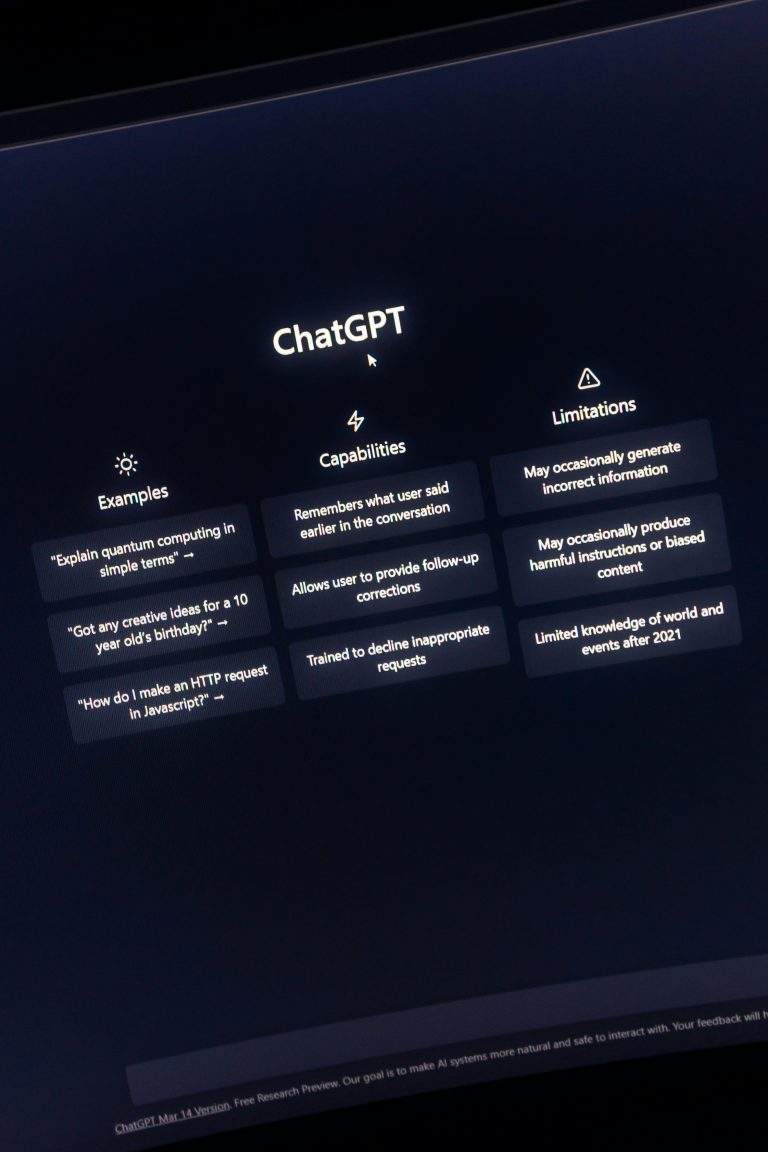
As the well-known AI chatbot experienced a major outage, users in the US and other countries complained that ChatGPT was not functioning. Thousands of complaints were submitted on outage reporting websites like Downdetector as a result of consumers being unable to access the chatbot on the web or mobile.

Through its status tracker, OpenAI acknowledged the outage and indicated that it has identified problems and taken action to address them while keeping an eye on the recovery process. The recovery procedure had started later in the day, despite the service disruptions.

What Happened During the Outage

Timing and Scale

Around 3:00 PM Eastern Time, users began reporting problems, and shortly after, the number of complaints of faults and service interruptions surged. More than 13,000 users have reported issues on Downdetector at the height of the outage.

All of ChatGPT’s features, including discussion threads, search capabilities, picture creation, and recently added services like Codex, were affected by the outage. Users were either unable to access the chatbot or got various error messages.

Official Response from OpenAI

In a statement, OpenAI acknowledged the outage and said that the problem’s root cause had been found and the required fixes had been put in place. OpenAI acknowledged that the required workarounds had been put in place and that regular operations were being resumed, despite the fact that the company did not provide any technical details at this time.

Based on the updates provided by OpenAI, the outage was characterised by high error rates that affected login and chat functionality. The problem began to be fixed after the workarounds were put in place, and there were noticeably fewer outage complaints.

User Experience During the Outage

During the outage, users reported several common problems:

  • Inability to log into ChatGPT accounts
  • Chats are failing to load or respond.
  • Error messages and stalled interactions
  • Inconsistent responses between devices

Many users resorted to social media platforms such as X and Reddit to post about problems and share screenshots of errors, which showed frustration and confusion about when the service would be restored.

Some users even claimed temporary solutions during the outage’s peak, like using ChatGPT without signing in, which only offered a limited amount of functionality.

Why These Outages Matter

Millions of users worldwide now incorporate ChatGPT into their daily routines. For writing support, homework assistance, coding, brainstorming, customer service, and more, users rely on it. Even a brief outage can impact productivity and cause users to look for alternative solutions.

Even while OpenAI is known for having a high uptime, incidents like this highlight how challenging it is to service so many people globally, especially as the user base keeps expanding.

Context: Past and Recurring Outages

ChatGPT has had major service interruption before. In the past few years, there have been service disruption for users worldwide, including another significant service disruption in December 2025 and a significant service disruption in June 2025. These earlier service disruptions were reported by thousands of users, which forced OpenAI to move quickly to resolve the issues.

These outages have revealed a trend wherein OpenAI’s backend services have become unreliable due to a combination of heavy traffic, infrastructure, and system changes.

What Users Can Do When ChatGPT Is Down

If you encounter periods when ChatGPT is not working, here are a few practical tips:

1. Check Official Status

Real-time information about outages and recovery efforts can be found on OpenAI’s status page.

2. Try Alternative Connections

Switching networks or using a different device can sometimes help if the outage is partial or regional.

3. Wait and Retry

Outage usually resolve within a few hours. Repeated attempts after some time often restore access.

4. Use Backup Tools

Consider temporary alternatives like AI chatbots from other providers if you rely on these services for urgent tasks.

ChatGPT Outage

A stable service is crucial for a product that is used by millions of people worldwide, as demonstrated by the recent global outage that stopped many users from using ChatGPT. Even though outages can be inconvenient, OpenAI’s quick response to the issue helped to fix it and avoid any more issues down the road.

Why Take-Two Is Confident About the Grand Theft Auto 6 Release Date

One of the most anticipated video games ever is Grand Theft Auto 6, and players everywhere are anxious to find out when the game will be released. Take-Two Interactive, the publisher, is still optimistic that GTA 6 will be released on November 19, 2026, despite earlier delays. Take-Two’s confidence and its implications for gamers worldwide are explained here.

Official Confirmation from Take-Two

More significantly, Take-Two has stated that it plans to launch a comprehensive marketing campaign this summer in anticipation of the November 19, 2026, release date of GTA 6.

Direct access to the correspondence regarding the company latest financial reports provided this information. The company’s confidence in its development progress is evidenced by the commencement of a complete marketing campaign far in advance of the release date, Take-Two’s leadership clarified in statements. This is because, when a full marketing campaign is launched, it usually means that a title’s completion and significant milestones are meeting internal expectations, which is often not the case when there is uncertainty.

Why Marketing Timing Matters

In the gaming industry, publishers usually wait to launch extensive marketing efforts until they have a reasonable level of assurance over the product’s timeliness and stability. Publishers are hesitant to spend a lot of money on marketing and promotional efforts when a game is still in a very fluid stage of development. Take-Two’s pledge to launch a marketing campaign in the summer of 2026 shows that they have enough faith in their product to avoid having to postpone it once more.

Activities like gameplay displays, developer interviews, and trailer releases will all be part of the marketing effort. By beginning this approach far in advance of the launch date, the publisher will have the opportunity to build momentum and publicity—a clear sign that the product is ready.

Leadership

High-ranking officials at Take-Two, including CEO Strauss Zelnick, have stated that they are “highly confident” in the release timeline. The statement of confidence in release schedules, particularly in earnings calls, shows that the company is dedicated to its development roadmap, even though the company’s leadership constantly treads a fine line between confidence and caution.

Take-Two and Rockstar Games had consistently postponed their projects if they thought they weren’t polished enough. Nonetheless, the fact that they are reiterating their marketing strategies and release date suggests that they have overcome their previous issues.

Past Delays Inform Current Confidence

Delays have plagued the path leading up to GTA 6’s 2026 release. Originally scheduled for release in 2025, the game was eventually rescheduled for May 2026 and November 19, 2026. Although some fans may be concerned about the prior delays, the release date’s current alignment with the promotional campaign may indicate that the game is at an advanced state of development.

Analysts have also discussed the possible advantages of postponing the game’s development in order to avoid the problems that come with releasing big games too soon.

Fans and the Industry

GTA 6 will probably be released on schedule in November of this year, giving players something to look forward to after years of waiting, given Take-Two’s assurance. It is also anticipated that the launch marketing campaign will provide additional information about the game’s features, gameplay, and plot.

For the gaming industry, the release of Grand Theft Auto 6 is expected to be a historic occasion. With analysts projecting that GTA 6 may sell over $10 billion in lifetime sales, the game was a huge success for Take-Two and the gaming industry overall.

Grand Theft Auto 6

Take-Two’s confidence in Grand Theft Auto 6’s release date stems from both the company’s formal pronouncements and its marketing preparations. Take-Two is sure that it has put in the effort necessary to accomplish its lofty goals for this title, even though nothing is certain until the day of release.